
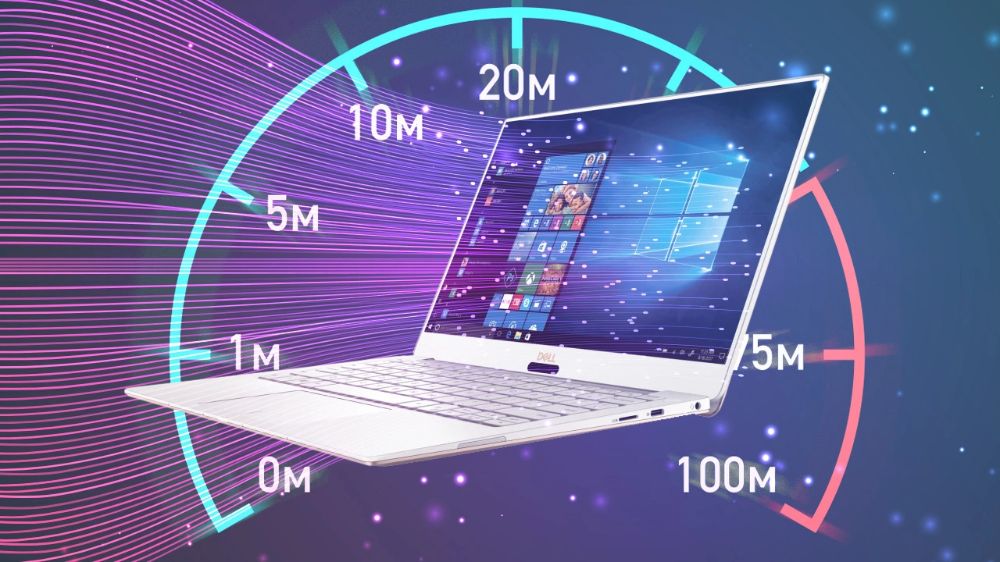
Is your laptop taking ages to boot up? Does it lag when you open more than five Chrome tabs or try to run a simple Python script? In 2026, software is more resource-heavy than ever. Windows 12, AI-integrated browsers, and high-resolution web content can make even a 3-year-old laptop feel like a relic.
The good news is that you don’t always need to buy a new machine. With a combination of software optimization and strategic hardware upgrades, you can breathe new life into your current laptop. In this 1500-word guide, we cover the exact steps to transform your slow laptop into a fast, productive machine.
1. The 2026 Software Cleanup: Trimming the Fat
Before spending a single USDT on upgrades, you must clean up the “Digital Junk” that accumulates over time.
A. Managing Windows 12 AI Features
Windows 12 comes with several background AI processes (like “Recall” and “Live Captions”) that consume RAM even when you aren’t using them.
-
The Fix: Go to Settings > Privacy & Security > Generative AI and disable features you don’t use daily. This can free up to 1.5GB of RAM instantly.
B. Aggressive Startup Management
Many apps (Spotify, Teams, Steam, and Crypto Wallets) set themselves to start automatically.
-
The Fix: Press
Ctrl + Shift + Escto open Task Manager, go to the Startup Apps tab, and disable everything except essential drivers (like Audio or Touchpad).
2. Browser Optimization: The RAM Silent Killer
In 2026, the browser is often the heaviest app on your laptop.
A. Memory Saver Mode
If you use Google Chrome or Microsoft Edge, enable “Memory Saver.” This feature “freezes” inactive tabs, preventing them from using your CPU and RAM until you click on them again.
B. Extension Audit
Every extension you install runs a background process. If you have 15 extensions (AdBlockers, VPNs, Price Trackers), your laptop will crawl. Keep only what is absolutely necessary for your work or trading.
3. Storage Optimization: Give Your SSD Room to Breathe
A full SSD is a slow SSD. When an NVMe drive reaches 90% capacity, its write speeds can drop by half because it struggles to find empty “blocks” to store data.
-
The 20% Rule: Always keep at least 20% of your storage free. Use tools like TreeSize Free to find large, forgotten files (like old 4K videos or heavy datasets) and move them to cloud storage or an external drive.
-
Disk Cleanup (The Modern Way): Use Windows “Storage Sense” to automatically delete temporary files and empty the Recycle Bin every week.
4. Hardware Upgrades: The “Big Impact” Moves
If software fixes don’t give you the speed you need, it’s time to invest a little USDT into hardware.
A. Upgrading to 16GB or 32GB RAM
In 2026, 8GB RAM is no longer enough for smooth multitasking.
-
Why? Windows 12 alone uses 4GB. Open Chrome and VS Code, and you’re already at the limit.
-
The Fix: Most business-class laptops (ThinkPads, Latitudes) have an extra RAM slot. Adding an 8GB or 16GB stick is the cheapest way to make your laptop feel “New.”
B. Moving to Gen 4 or Gen 5 NVMe
If you are still using an older SATA SSD or a Gen 3 NVMe, upgrading to a Gen 4 SSD (like the Samsung 990 Pro) can make your boot times and file transfers significantly faster.
-
Note: Ensure your laptop’s motherboard supports Gen 4 speeds before buying.
5. Thermal Throttling: The Hidden Speed Killer
As we discussed in our “Overheating Guide,” heat makes your CPU slow down. If your laptop is fast for 5 minutes and then becomes slow, it’s a heat issue.
-
The Fix: Clean the dust out of the fans and use a hard, flat surface. If the laptop is 3+ years old, re-pasting the CPU with a high-quality thermal interface like PTM7950 is mandatory for 2026 performance levels.
6. Advanced Performance Tweaks for Tech Users
For CS students and developers like you, Hamza, these tweaks can provide an extra edge:
-
Virtual Memory (Page File) Adjustment: If you have a fast SSD but low RAM, manually setting your “Virtual Memory” size to 1.5x your RAM can prevent crashes during heavy compiling.
-
Debloating Windows: Use open-source “Debloater” scripts (carefully!) to remove pre-installed bloatware apps that Windows doesn’t let you uninstall normally.
-
High-Performance Power Plan: Go to Control Panel > Power Options and create a “High Performance” plan. This ensures your CPU doesn’t drop to its lowest clock speeds during work.
7. When to Give Up: Is it Time for a New Laptop?
Sometimes, no amount of software or hardware fixes can save an old machine. You should consider upgrading to a 2026 model if:
-
Your CPU is older than Intel 8th Gen or Ryzen 3000.
-
Your laptop doesn’t have a USB-C charging or NVMe slot.
-
You cannot upgrade the RAM because it is “Soldered” to the motherboard.
8. Conclusion: Maintenance is Better than Replacement
Speeding up a slow laptop in 2026 is all about balance. By removing software bloat, optimizing your browser, and ensuring your hardware isn’t overheating, you can maintain a productive environment without spending 1000+ USDT on a new device.
Treat your laptop like a high-performance engine: keep it clean, keep it updated, and give it the fuel (RAM/SSD) it needs to run at full speed.